Welcome to the Page for my German Students!
Here I shall be posting many of the confusing German words you will be taught in class, as well as the more difficult grammar and phrases.
I will also be posting many interesting things related to Germany, such as these pictures and facts about these places in the country.
This page will be an ever increasing page of information and images, as an eternal work in progress. As my 2013 German classes advance, over the next several years, I will eventually be posting stuff for the second, third, fourth, and even fifth year students... all in sequence and in order. Hope you enjoy it, and I hope it helps you guys as you continue your study of the German language.
But first, the fun stuff!
*************
A Charming little town we visited in Southern Germany in 1978. Stood right here, in fact. Rothenburg ob der Tauber. "Red Fortress above the Tauber River".
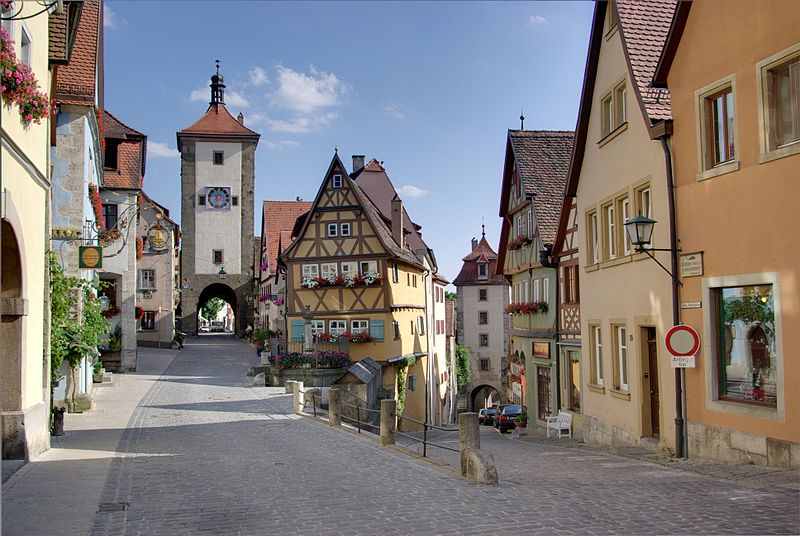
Rothenberg ob der Tauber
The Glockenspiel in the Marienplatz is also a fun thing to watch. Every day at 11 a.m. (as well as 12 p.m. and 5 p.m. in summer) it chimes and re-enacts two stories from the 16th century to the amusement of mass crowds of tourists and locals. It consists of 43 bells and 32 life-sized figures. The top half of the Glockenspiel tells the story of the marriage of the local Duke Wilhelm V (who also founded the world famous Hofbräuhaus) to Renata of Lorraine. In honour of the happy couple there is a joust with life-sized knights on horseback representing Bavaria (in white and blue) and Lothringen (in red and white). The Bavarian knight wins every time of course.
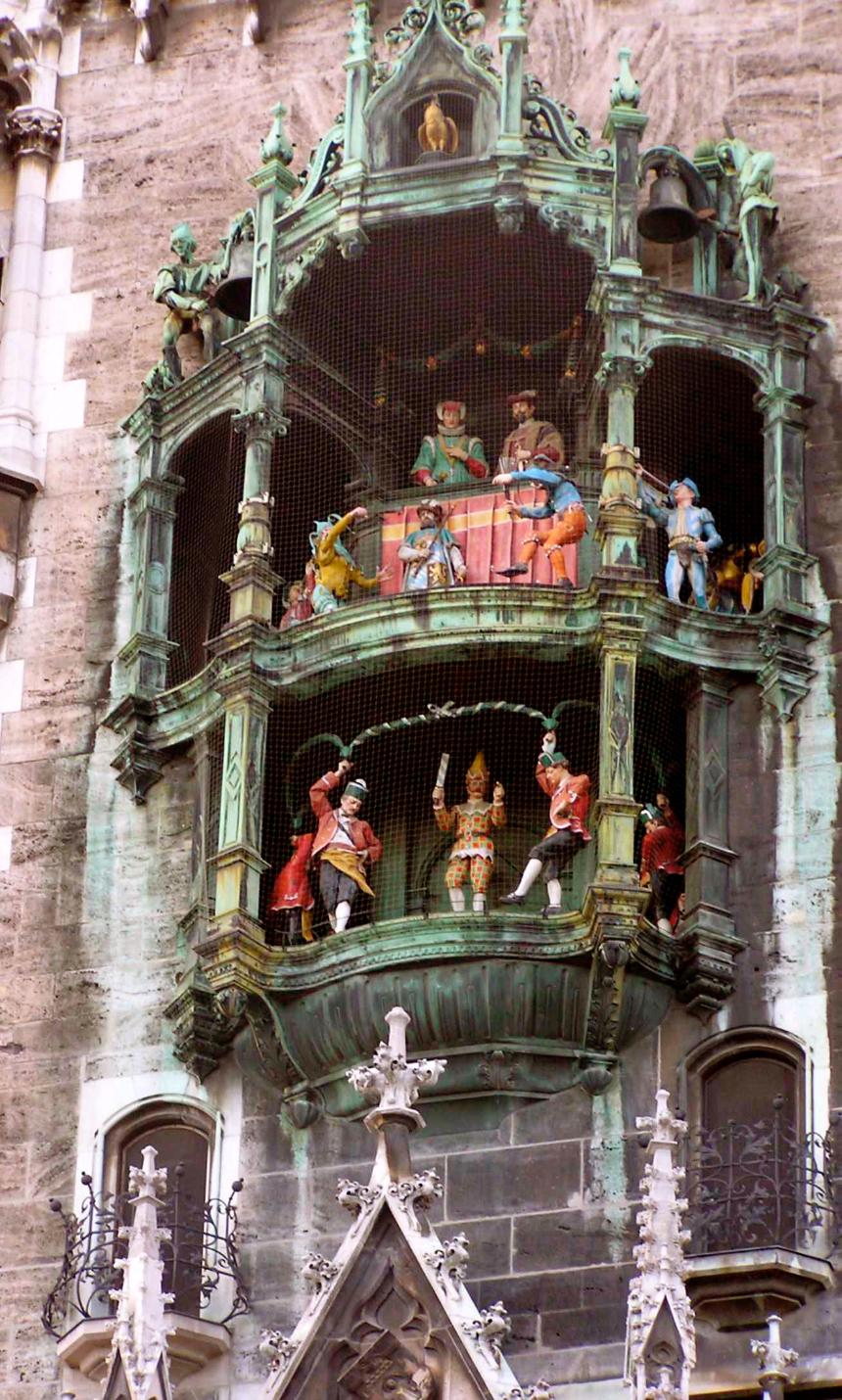
Der Glockenspiel im Marienplatz
We also visited the Hofbräu Haus am Platzl, one of Munich's oldest brewery and restaurant 'hall' combinations. It was built in 1589 (!) by the Duke of Bavaria, Wilhem V and this year it is 424 years old.
When King Gustavus Adolphus of Sweden invaded Bavaria during the Thirty Years' War in 1632, he threatened to sack and burn the entire city of Munich. He agreed to leave the city in peace if the citizens surrendered some hostages, and 600,000 barrels of Hofbräuhaus beer.
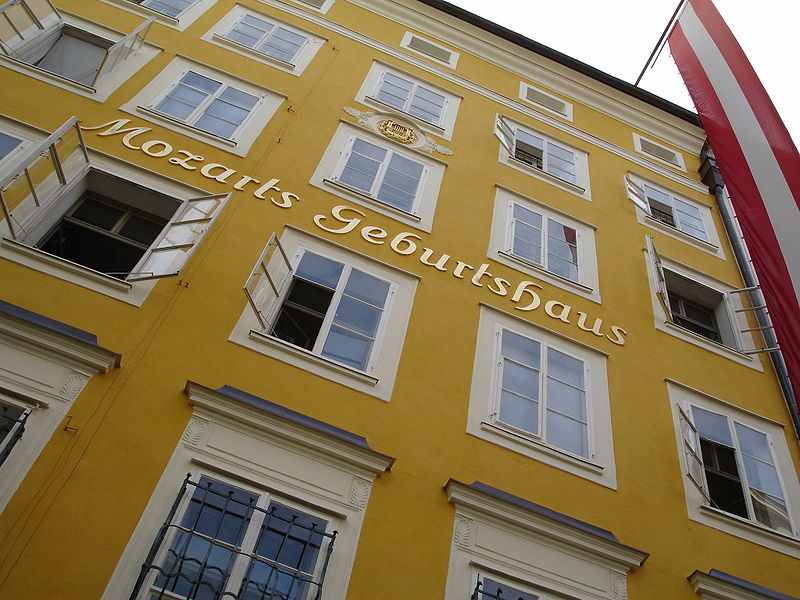
Such strange visitors to this hall include Wolfgang Amadeus Mozart. He lived around the block from the famous Haus in the late eighteenth century. In a poem he wrote, Mozart claimed to have written the opera Idomeneo after several visits to the Hofbräuhaus.
Vladimir Lenin (the founder of Russian Communism), and the infamous Adolf Hitler. President John F. Kennedy also visited the HofBräu Haus, as well.
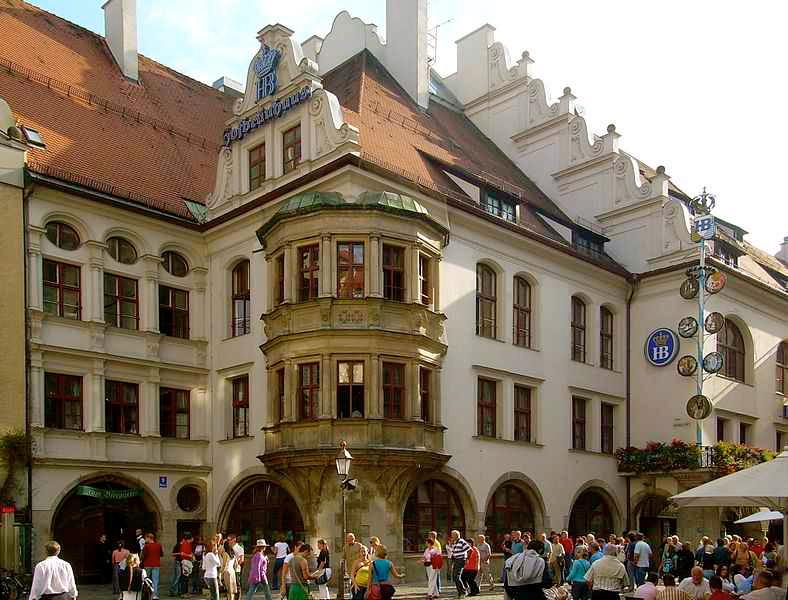
The HOFBRÄU HAUS AM PLATZL
Salzburg ist mir auch am besten gefällen! We also visited this city, as well, in Austria. Mozart was born here in 1756. And the city was the setting for parts of the musical and film "The Sound of Music."
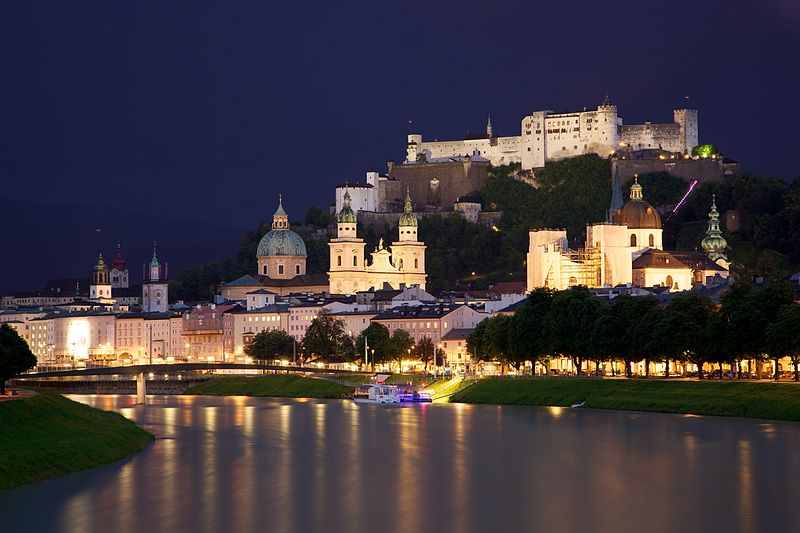
Salzburg and the Castle Festung Hohensalzburg. Erected in 1077, it is today 936 years old... it is five hundred and twelve years older than the 424 year old Hofbräu Haus in Munich!!! It is one of the largest medieval castles in Europe.
We visited here, as well...
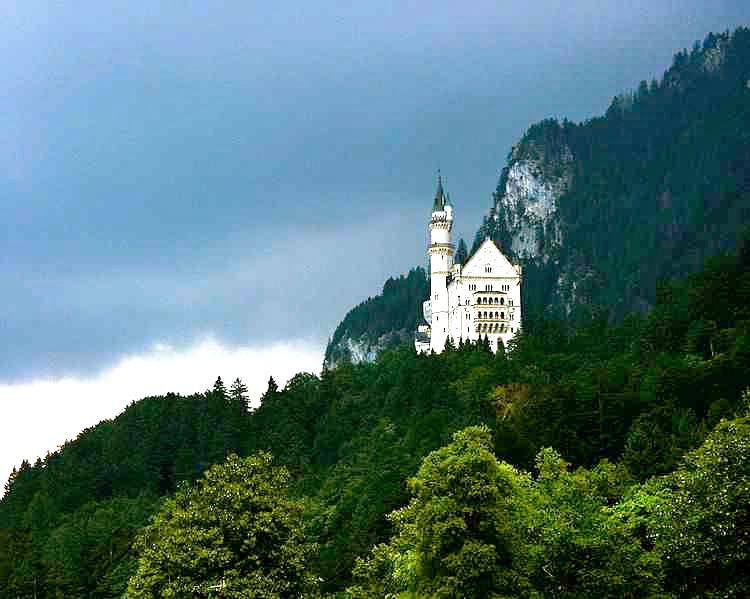
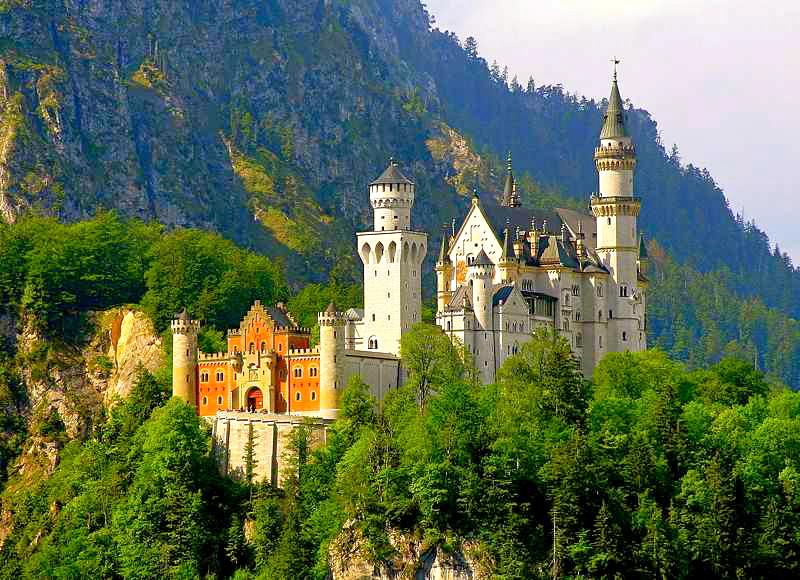
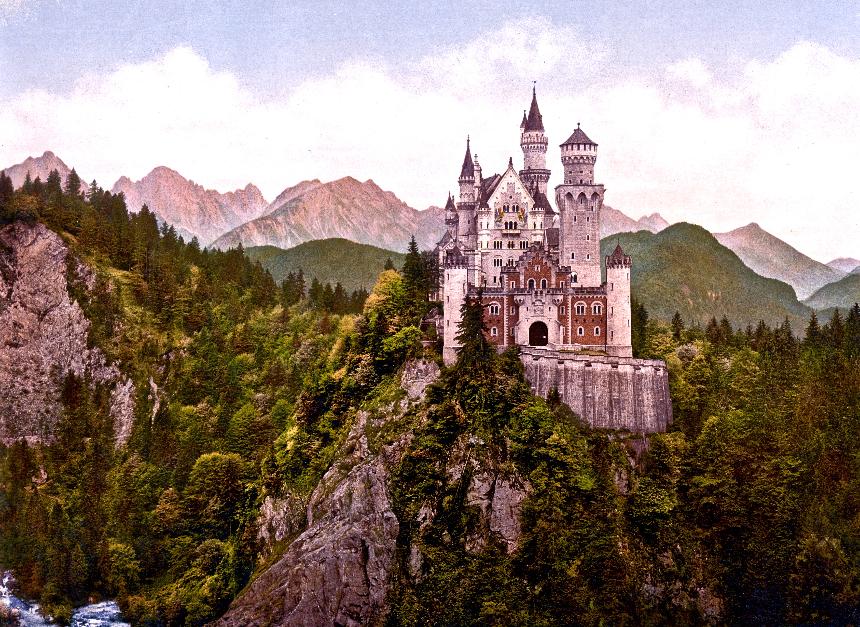
NEUSCHWANSTEIN CASTLE
"New Swan's Nest"
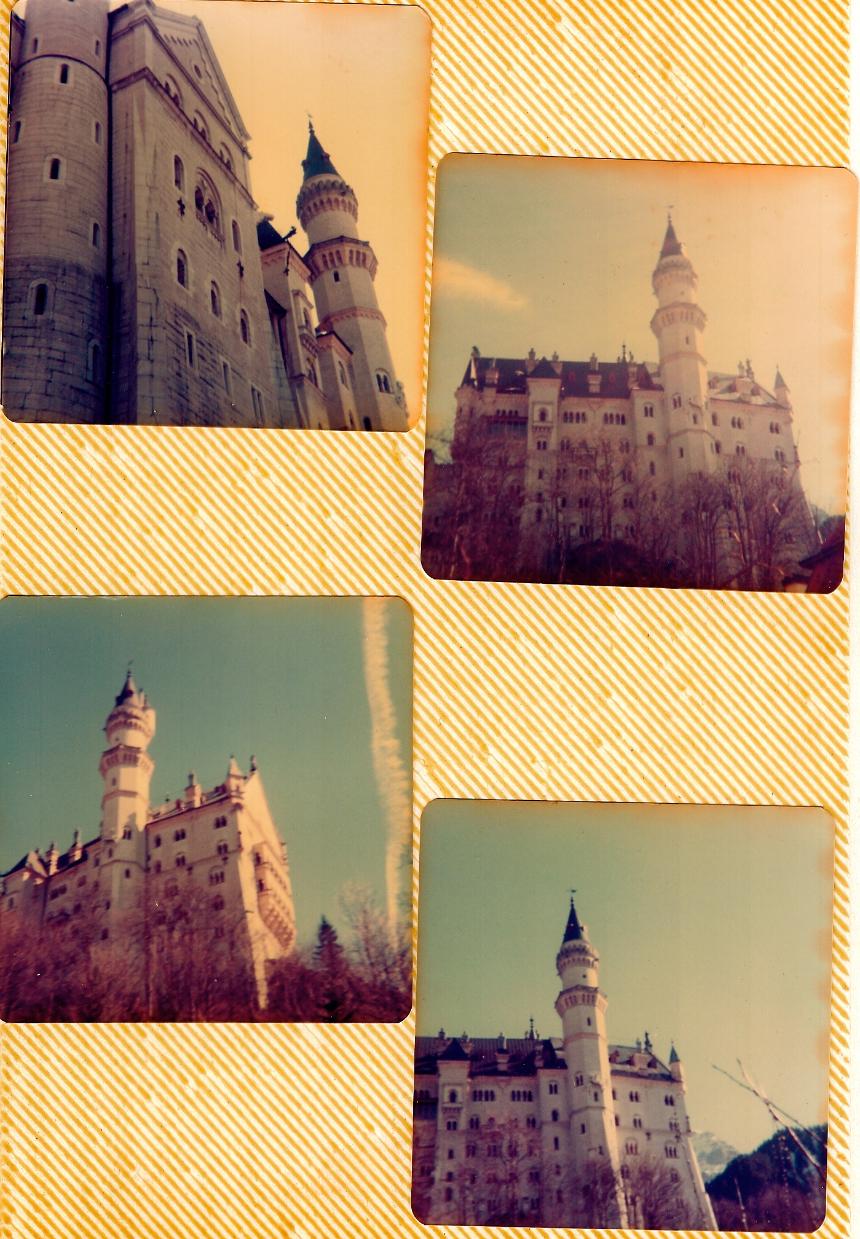
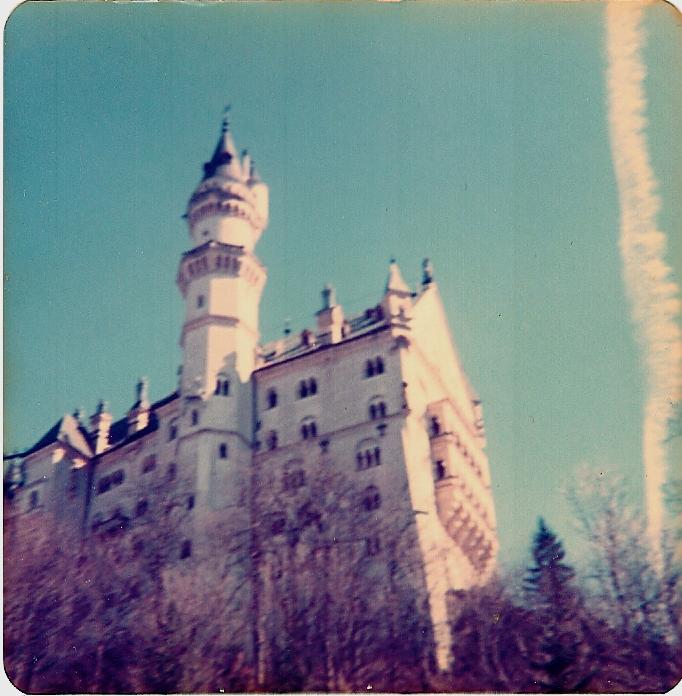
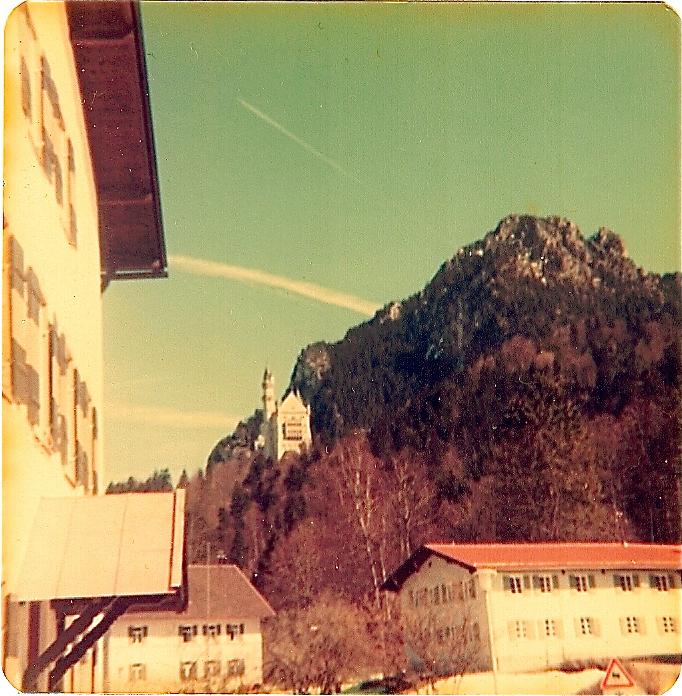
Neuschwanstein Castle - 35 years ago this month, I was in that castle. I had a calendar on my wall at home with a picture of this castle on it, and the day I went inside the castle, mom said that it fell off the wall.
Pictures from March 1978, developed in April 1978. Taken by George Roland Wills on a Kodak Instamatic X - 15 Camera. (I still have the camera, BTW!)
In those days, cameras available to the public were in no wise of a professional quality. You bought a small camera, like this one, and you bought a roll of film to go in your camera. You loaded the camera, and you got 15-20 'exposures' as they were called. You snapped a photograph, and then wound your camera to the next 'exposure' number. Once you had snapped the last picture, you 'wound' it several times until it stopped, and then you unloaded that roll and reloaded with a new roll.
You came home from your vacation with no idea if a single picture had turned out 'good', or not. You then had to get your pictures 'developed' at a film store. That took about two weeks. These were taken in March of 1978, and developed in April, when I got home again.
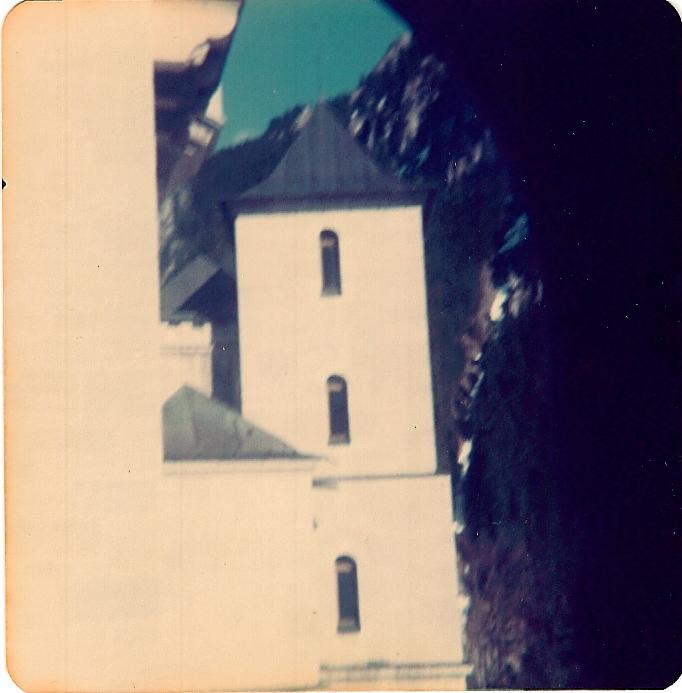
I took about seven rolls of film with me (that stuff was expensive, even then a roll of film was about $10.00 (or about 'what seems like' $20.00 in today's money difference). Thus, I had $70.00 of film, or what 'seemed like' $140.00 in film for my little camera... Many of my inside castle shots did not make it because the flash, unbeknownst to me, was only good for nine feet... and after that, it just shows up as darkness...
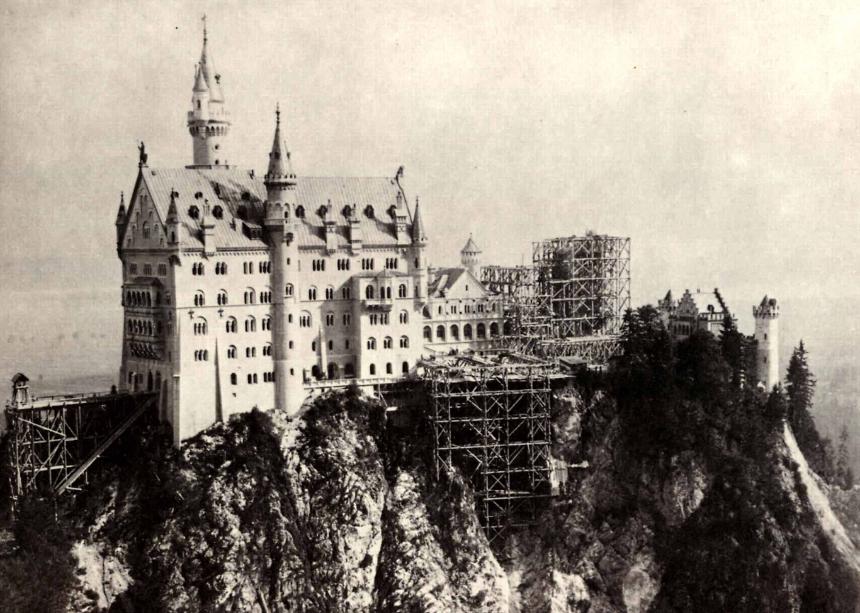
Neuschwanstein Castle under construction circa 1882-1885. No, I did not takes these two! I am not that old!
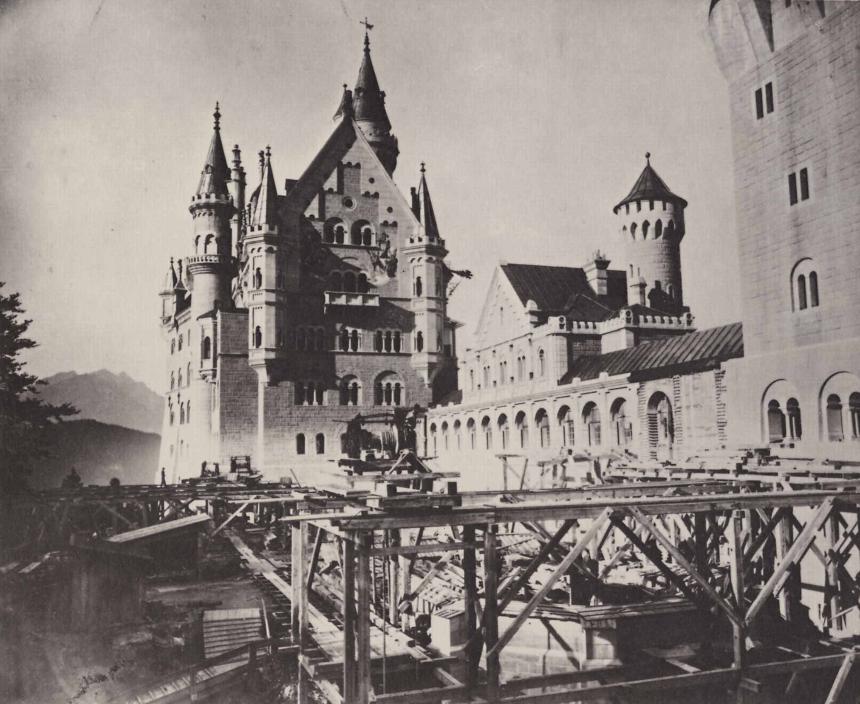
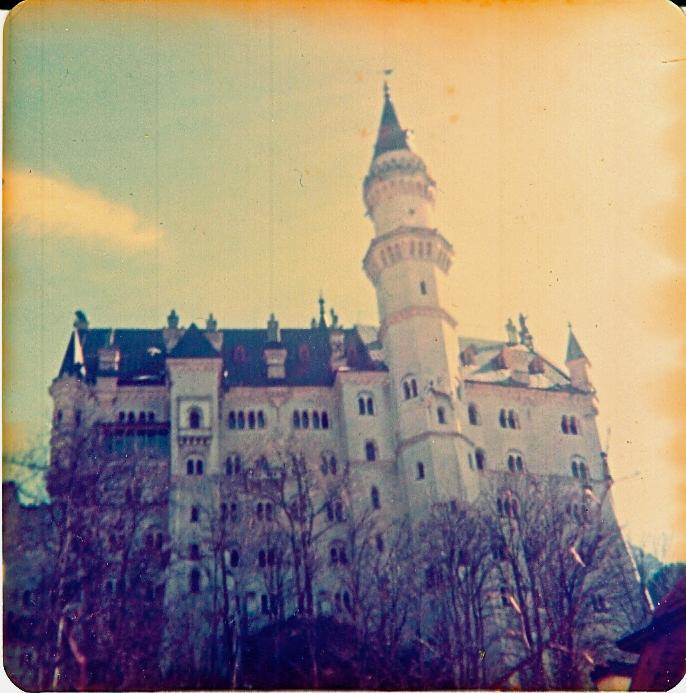
My stuff starts here. March 1978.
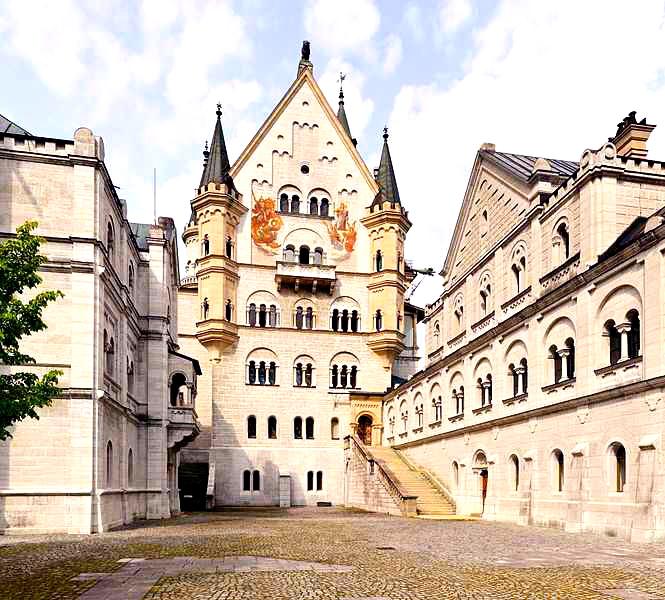
Shot from inside the castle, up on the fifth floor, where the thirty foot high paintings are on the walls outside of this window... and below, a shot out of the south window, showing the thousands of feet down that the valley actually goes...
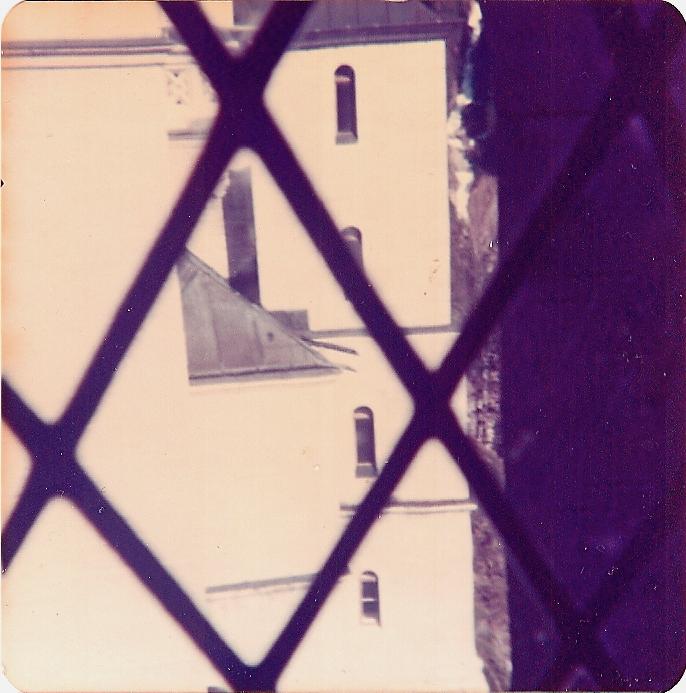
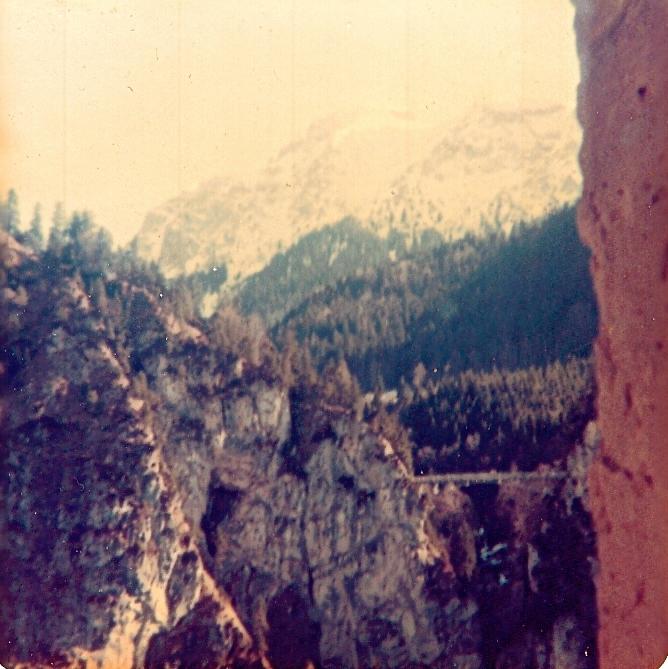
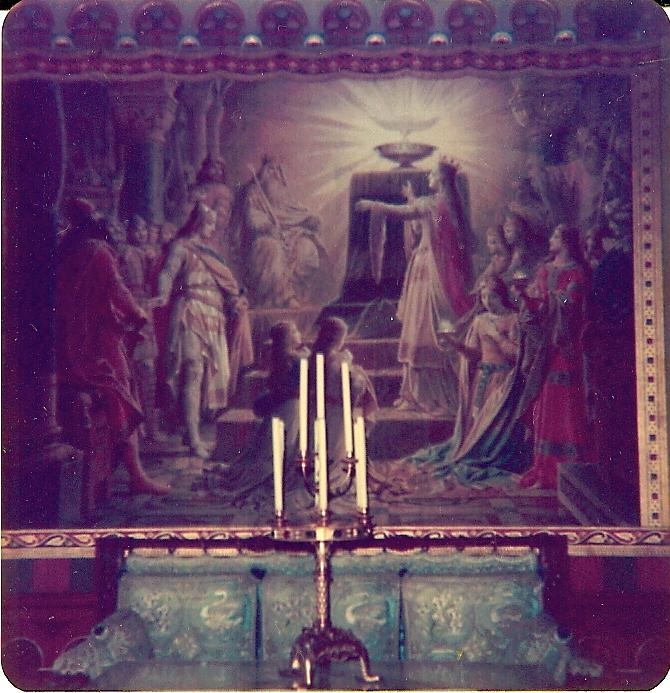
Public Photography inside the castle is no longer permitted.
This was allowed in those days because consumer-level cameras did not take the great shots that they do today... But I think I did pretty good, with that I had to work with... no zoom, and no lighting, other than that MAGIC CUBE four place flashcube!!!
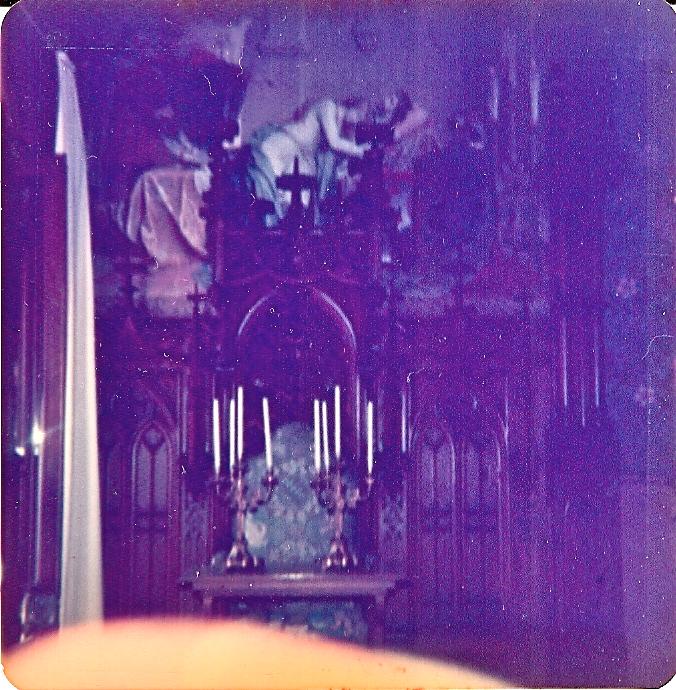
These pictures are 35 years old.
These are the only shots of the castle, out of all that I took, that actually 'came out'. Still, I think my pictures still 'matter', because no one takes photos from the angles that I do! One day, if I get to go back again, I will film and shoot the thing from all angles, in digital!
End of my photographs.
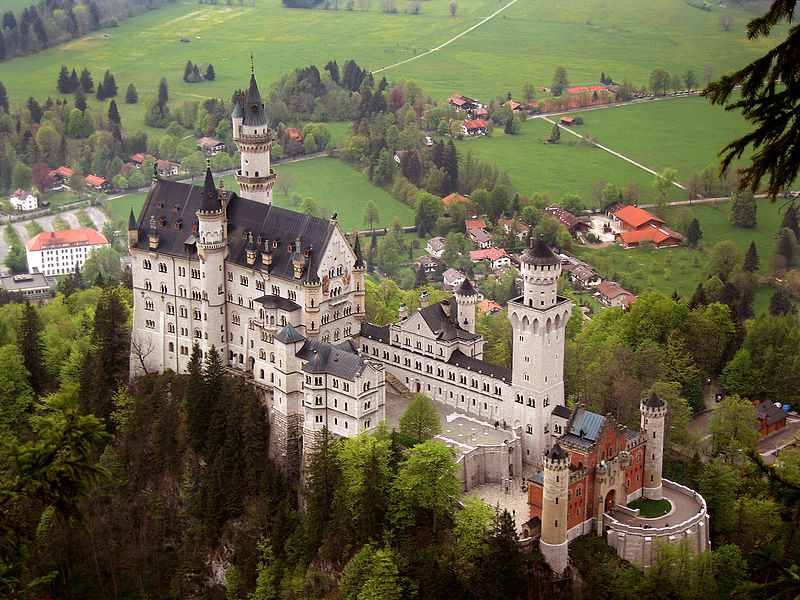
You can see where I took my 'inside pictures looking out' from... That top row of windows on the fifth floor between the two painted figures, looking out at that front end highest tower... I think that the one of the far cliff was taken from that rounded turret on this side.
Above: Jeff Wilcox Attribution 2.0 Creative Commons License Wiki source
Below: Taxiarchos228 Copyleft Attribution. That top floor set of four windows, on the right hand side. I think I was standing right in there.
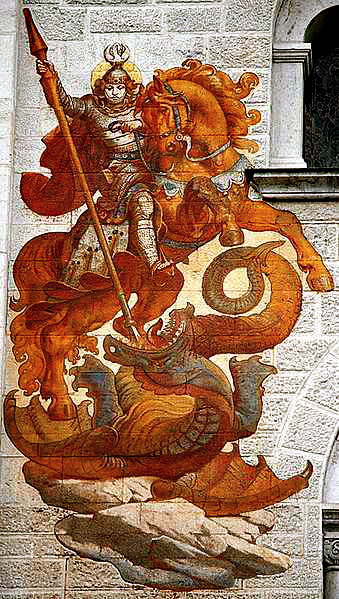
Below: Detail of St. George slaying the Dragon.
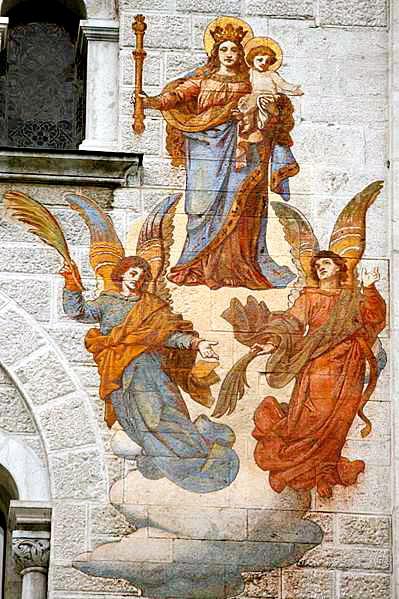
Hedwig Storch Attribution 3.0. The other painting is below it, and that was the window I was taking my pix from...
ON THE INSIDE
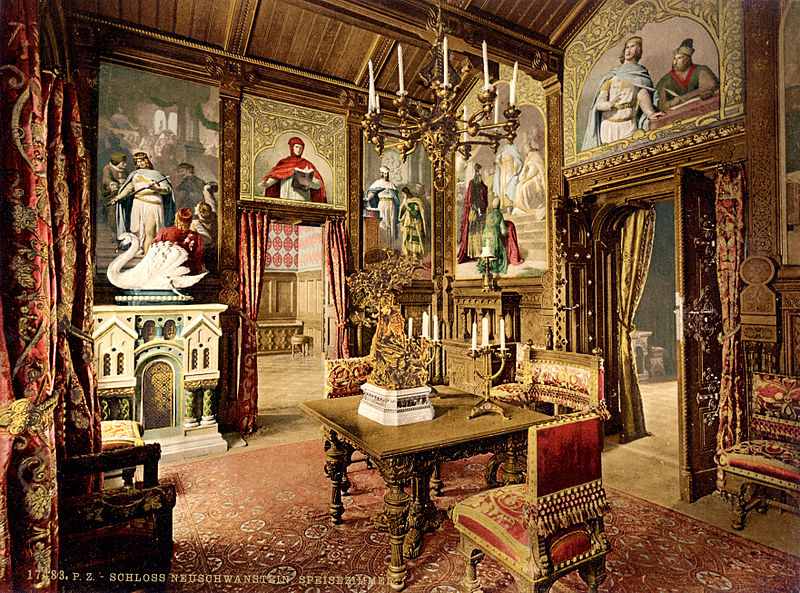
The Dining Room
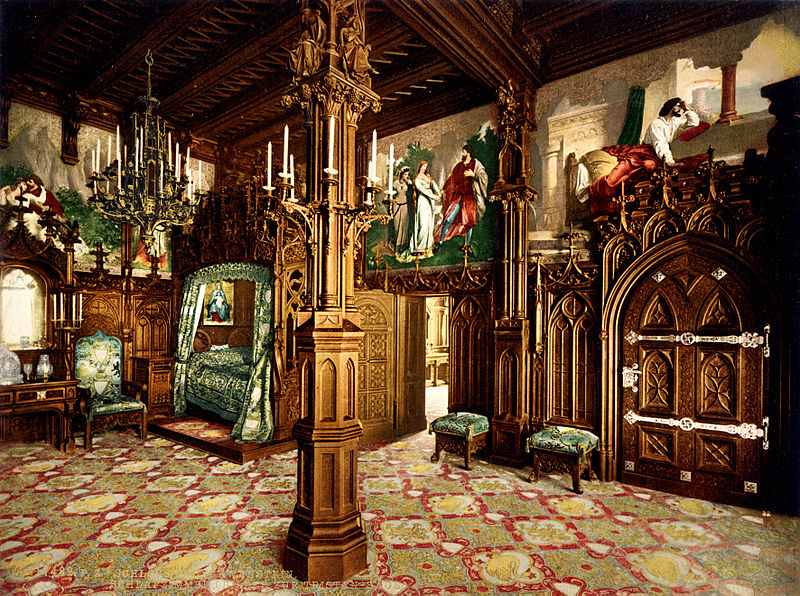
The Bedroom
It is said that on top of his bed canopy are the spires of every Bavarian Cathedral carved upon it. My photograph of the carvings did not come out!
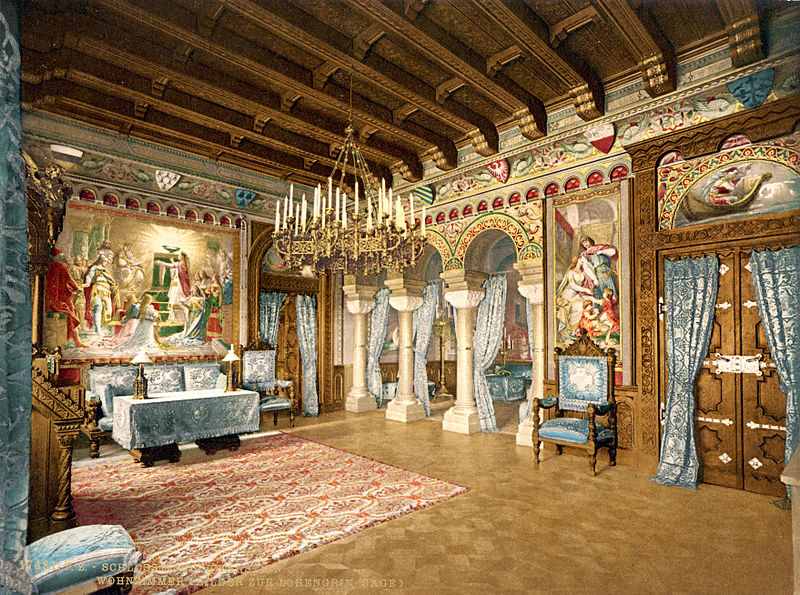
The Drawing Room
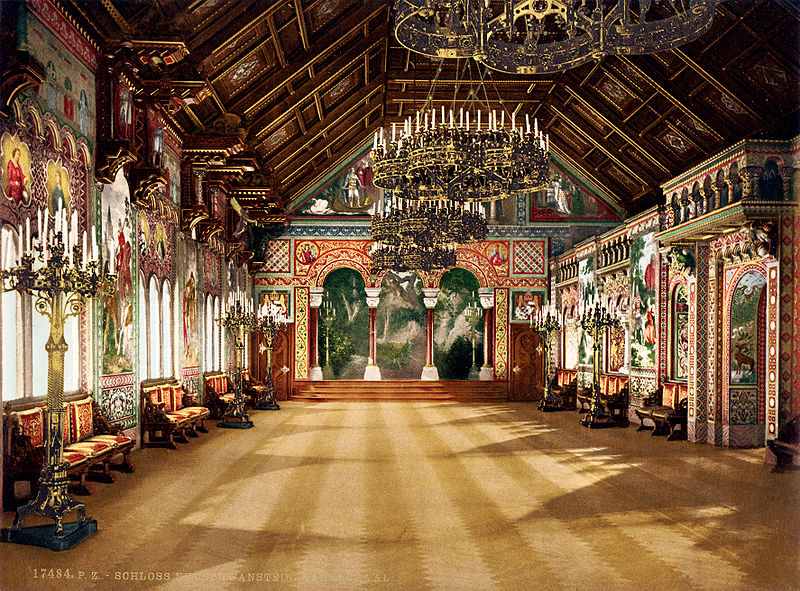
The Singer's Hall
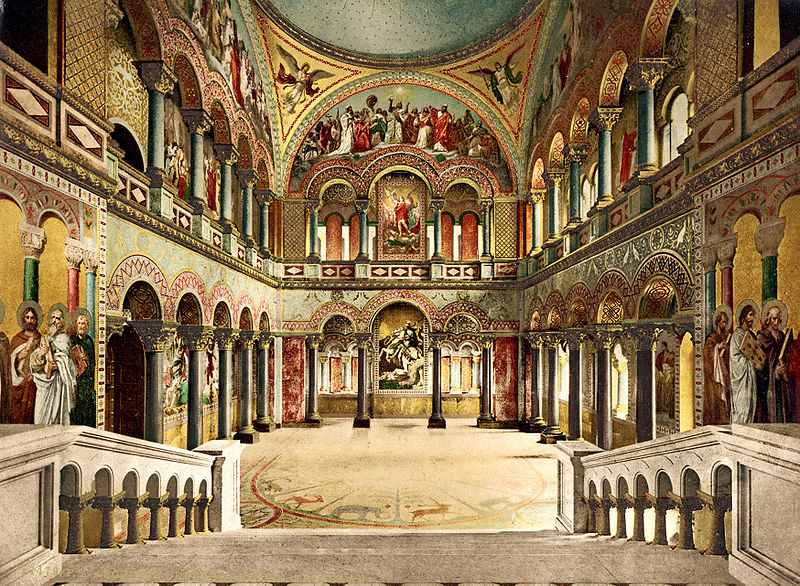
The Throne Room
- PAGE UNDER CONSTRUCTION -
(LAST UPDATE JULY 13TH)
************************************************************************
This page will be an ever-changing page, and when it will be first opened (here in a couple of weeks) it will hopefully be of great value to all of the German classes. I want to make sure all of the basic German grammar and syntax is right before I post much on here. When this page is up and under way, it will contain a wealth of information and words and phrases for my students who will want to visit and add to their required class notebooks anything that they might have missed or left out...
Below is an example of what the page will contain:
Confusing German Words and Helps
(when i and e go walking, the SECOND ONE does the talking):
das Lied (as in "leed") and leider (as in "li-dur")
shon - already das Lied (die Leider) - song(s)
shön - pretty leid - sorry (es tut mir leid)
liederlich - slovenly
leider - unfortunately
morgen - tomorrow
der Morgen - morning reichen - to reach
riechen - to smell
klein - small reich - rich
kein - none
nein - no
nicht - not
nichts - nothing
sein - to be (bin, bist, ist, sind, seid, sind)
sein - his (sein Vater, his father) possessive pronoun
*************************
Some of The TreffPunkt Berlin Vocabulary of Note through Abschnitt 12
Akzeptieren - to accept spülen - to rise
aufräumer - to clean up staubsaugen - to vacuum
schliessen - to close hervorragend - excellent (outstanding)
der Schrank - closet ausgezeichnet - excellent
ertzählen - to tell, narrate grossartig - great, grand, sublime, first-rate
verheiraten - to marry aber so etwas? (so what?)
schrecklich - terrible der Wecker - alarm clock
dem Fussboden - floor ei - indeed
gähnen - yawning sicherlich - certainly, undoubtedly
And other words of importance:
selected (chosen) - ausgewählten
Zugabe - encore
verweisen - refer
benötigwerden - need to be
grossartig Ort - great place
von nun an - from now on
wichtig - important
The Modal Auxiliaries Section
1. The mögen and möchten confusion:
Mögen means TO LIKE and Möchten means WOULD LIKE TO
ich mag wir mögen ich möchte wir möchten
du magst ihr möcht du möchtest ihr möchtet
er,sie,es mag sie,Sie mögen er,sie,es möchte sie,Sie möchten
PREPOSITIONS THAT TAKE THE ACCUSATIVE CASE
durch
für
gegen
ohne
um
PREPOSITIONS THAT TAKE THE DATIVE CASE
aus
außer
bei
mit
nach
seit
von
zu
CONTRACTIONS
durch das = durchs
für das = fürs
bei dem = beim
um das = ums
von dem= vom
zu dem = zum
zu der = zur
VERBS FOLLOWED BY THE DATIVE CASE
antworten
gefallen
glauben
helfen
Leid tun
passen
schmecken
wehtun
zum Beispiel: Gabi hilft ihrer Mutter. Der Anzug gefällt mir.
(glauben may take either the Dative or Accusative, depending... if it is a person,
use the Dative: Ich glaube ihm. If it is an object, use the Accusative: Ich glaube
das nicht.)
FROM THE 2013 GERMAN CLASS; A REVIEW:
I. DEFINITE ARTICLES:
SINGULAR: MASCULINE, FEMININE, NEUTER AND PLURALS
M F N Pl
NOMINATIVE CASE: DER, DIE, DAS, DIE
ACCUSATIVE CASE: DEN, DIE, DAS, DIE
DATIVE CASE: DEM, DER, DEM, DEN
(Note the Feminine becomes Masculine)
II. INDEFINITE ARTICLES: SAME WITH KEIN, SEIN, DEIN, AND MEIN!
SINGULAR: MASCULINE, FEMININE, NEUTER AND PLURALS
M F N PL
NOMINATIVE: EIN EINE EIN EINE
ACCUSATIVE: EINEN EINE EIN EINE
DATIVE: EINEM EINER EINEM EINEN
